

Gingival hyperplasia is a common oral health condition in dogs that involves the excessive growth of gum tissue. While it is not life-threatening, it can lead to significant discomfort and health issues if left untreated. This article provides a comprehensive overview of gingival hyperplasia in dogs, covering its causes, treatment options, and management strategies.
What Is Gingival Hyperplasia in Dogs?
Gingival hyperplasia refers to the overgrowth or thickening of the gums. Technically, it is called “gingival enlargement” until a pathologist examines the tissue microscopically. In dogs, this condition can cause the gums to become so enlarged that they cover part of the teeth. The thickened gum tissue can create pockets where food particles and bacteria accumulate, leading to plaque buildup, bad breath, and potentially more severe periodontal diseases. These abnormal gum tissue overgrowths can cause “pseudo pockets,” which often lead to tooth loss via periodontal disease.
Common Causes
Several factors can contribute to the development of gingival hyperplasia in dogs:
- Genetic Predisposition: Certain breeds, such as Boxers, Great Danes, and Bulldogs, are more prone to this condition, suggesting a genetic component.
- Medication-Induced: Some medications, particularly anticonvulsants and immunosuppressants, can trigger gum overgrowth as a side effect.
- Poor Oral Hygiene: Neglecting regular dental care can lead to the buildup of plaque and tartar, contributing to gum overgrowth.
- Chronic Irritation: Chronic irritation of the gum tissue, often due to misaligned teeth or foreign bodies in the mouth, can also lead to gingival hyperplasia.
Symptoms to Look Out For
The following symptoms can indicate gingival hyperplasia in dogs:
- Noticeable enlargement of the gums
- Gums that bleed easily
- Bad breath (halitosis)
- Difficulty eating or chewing
- Visible plaque and tartar buildup
If you notice any of these signs, schedule a dental evaluation with your veterinarian or a board-certified veterinary dentist.
Diagnosis and Treatment of Gingival Hyperplasia in Dogs
A board-certified veterinary dentist can diagnose gingival hyperplasia through a physical examination of your dog’s mouth and, if necessary, dental X-rays. The treatment approach typically depends on the severity of the condition:
- Professional Cleaning: Regular professional cleanings can help control plaque and tartar buildup, reducing gum irritation and overgrowth.
- Surgical Intervention: In more severe cases, surgical removal of the overgrown gum tissue might be necessary. This procedure, known as a gingivectomy, is performed under anesthesia and involves cutting away the excess gum tissue to restore normal gum structure.
- Medication Adjustments: If the condition is linked to certain medications, a veterinarian might adjust the prescription or dosage to mitigate the gum overgrowth.
- Home Care: Regular brushing of your dog’s teeth with vet-recommended toothpaste can help prevent plaque buildup and maintain oral health.
Breed-Specific Risk and Recurrence
Certain breeds may experience recurring gingival hyperplasia, even after successful treatment. Boxers, for instance, are known for frequent regrowth due to genetic predisposition. In such cases, your veterinary dental team may recommend scheduled follow-up evaluations and potential repeat gingivectomies. Early intervention and consistent care can reduce the risk of future complications and support long-term oral health.
Post-Treatment Care and Management of Gingival Hyperplasia in Dogs
After treatment, maintaining good oral hygiene is critical to prevent the recurrence of gingival hyperplasia. Regular veterinary check-ups and cleanings, along with diligent at-home dental care, are key. Additionally, monitoring your dog for any changes in eating habits, drooling, or mouth sensitivity can help catch any recurrence early. Some dogs may benefit from dental diets or oral rinses—talk to your vet about supportive products to keep the gums healthy.
Conclusion
Gingival hyperplasia in dogs, while not life-threatening, requires attention and care. Understanding the causes and symptoms, coupled with prompt veterinary intervention, can effectively manage this condition. Regular dental check-ups, home care, and professional cleanings are essential in keeping your dog’s mouth healthy.
Looking to learn more? Read our guide on preventing periodontal disease in dogs, or explore how a board-certified veterinary dentist can help with complex oral conditions.
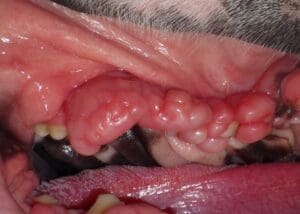
Before treatment: Overgrown gum tissue in a dog with gingival hyperplasia
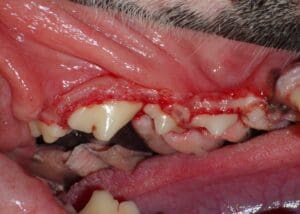
After treatment: Post-gingivectomy results showing healthy gumline in a dog