Endodontic therapy, commonly known as root canal therapy, offers a highly successful solution for saving damaged teeth in dogs and cats. When performed by a board-certified veterinary dentist and oral surgeon, root canal treatment in dogs achieves a success rate of approximately 96% (including cases with no evidence of failure).
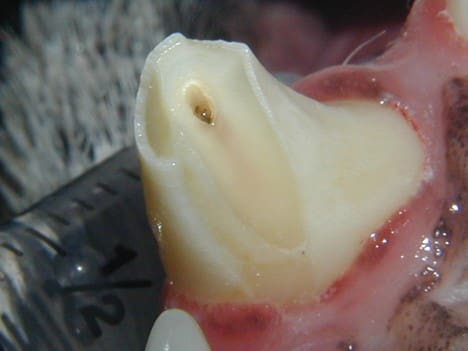
The board-certified veterinary dentists and oral surgeons at Carefree Dentistry and Oral Surgery for Animals in Phoenix, AZ, have successfully performed hundreds of these advanced procedures. Root canal therapy is typically recommended for non-vital (discolored) teeth or fractured teeth with exposed pulp.
Inside every tooth lies a central canal that contains the tooth’s blood supply and nerves. This soft tissue is called the pulp. When the pulp becomes infected or dies due to trauma or decay, root canal therapy becomes the treatment of choice.
What Happens During Your Pet’s Root Canal?
The procedure involves three precise steps performed by a board-certified veterinary dentist and oral surgeon:
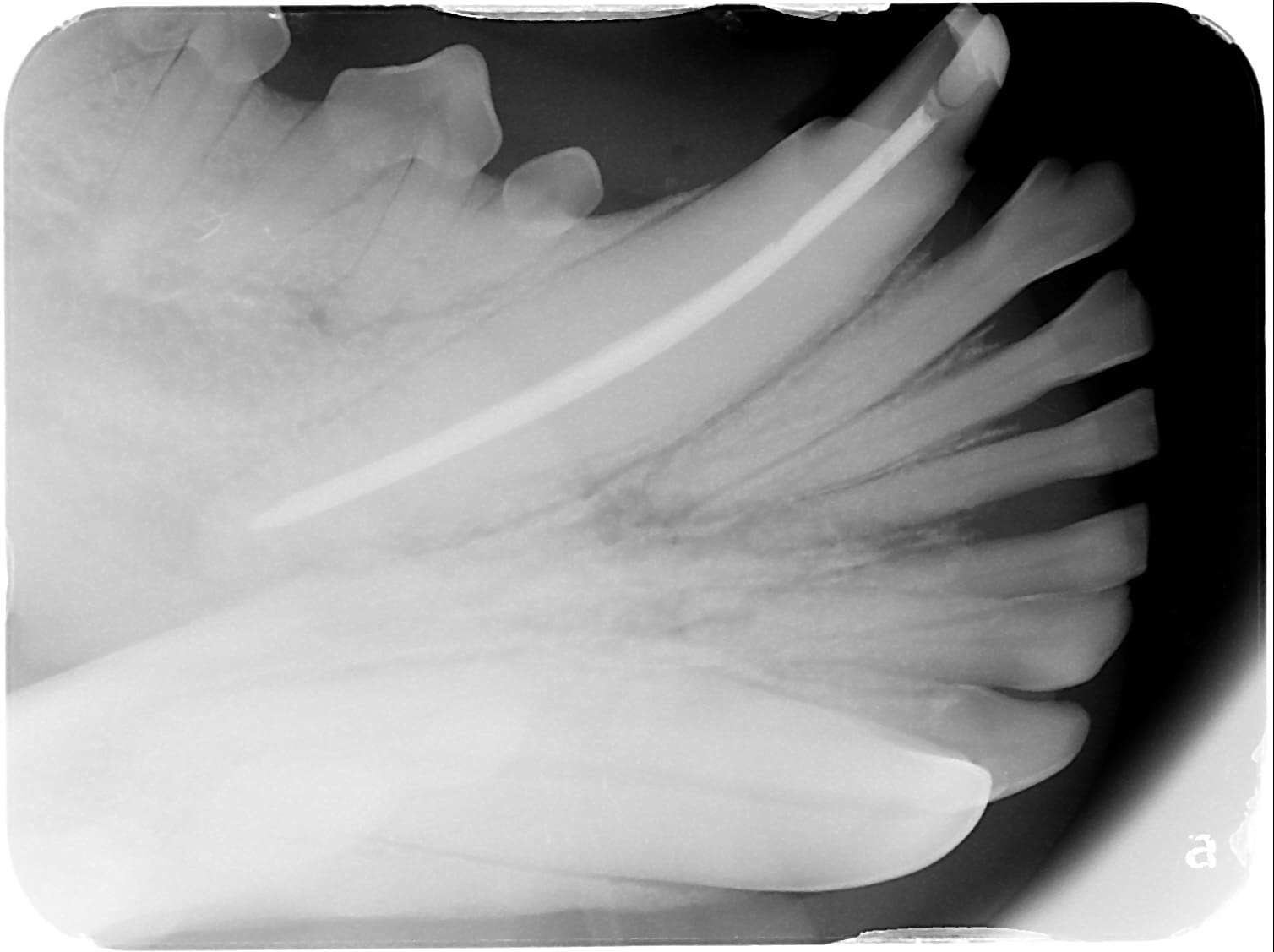
- Cleaning the infected canal thoroughly.
- Sterilizing the canal to eliminate bacteria.
- Obturating (filling and sealing) the canal with biocompatible materials.
The materials used in veterinary root canal therapy are the same high-quality products used in human dentistry, as few specialized veterinary options exist.
Root Canal vs. Tooth Extraction
In many cases, root canal therapy performed by a board-certified veterinary dentist is a superior alternative to extraction. It saves the natural tooth, is significantly less invasive, causes less pain, and allows for much faster healing. Tooth extraction, by contrast, is highly invasive and carries risks such as jaw fracture, especially in larger teeth.
Removing strategically important teeth — such as the canine teeth (fangs) or the maxillary (upper) fourth premolar, a key chewing tooth — can permanently affect a dog’s form and function. After the extraction of the upper fourth premolar, many dogs stop chewing kibble effectively on that side and shift all chewing to the opposite side. This often leads to faster tartar buildup on the non-chewing side (due to reduced natural cleansing from chewing) and excessive or asymmetrical wear on the overworked side.
Ask yourself this simple question: Would you rather have a large, functional tooth extracted — risking a longer, more painful recovery and potential long-term changes in chewing — or choose root canal therapy performed by a board-certified veterinary dentist and oral surgeon, which typically involves little to no recovery time while preserving your pet’s natural tooth and bite function?
Root Canal Treatment for Arizona Pets
If your dog or cat has a discolored or fractured tooth, contact the board-certified veterinary dentists and oral surgeons at Carefree Dentistry and Oral Surgery for Animals in Phoenix, AZ, to explore whether root canal therapy is the best option.