
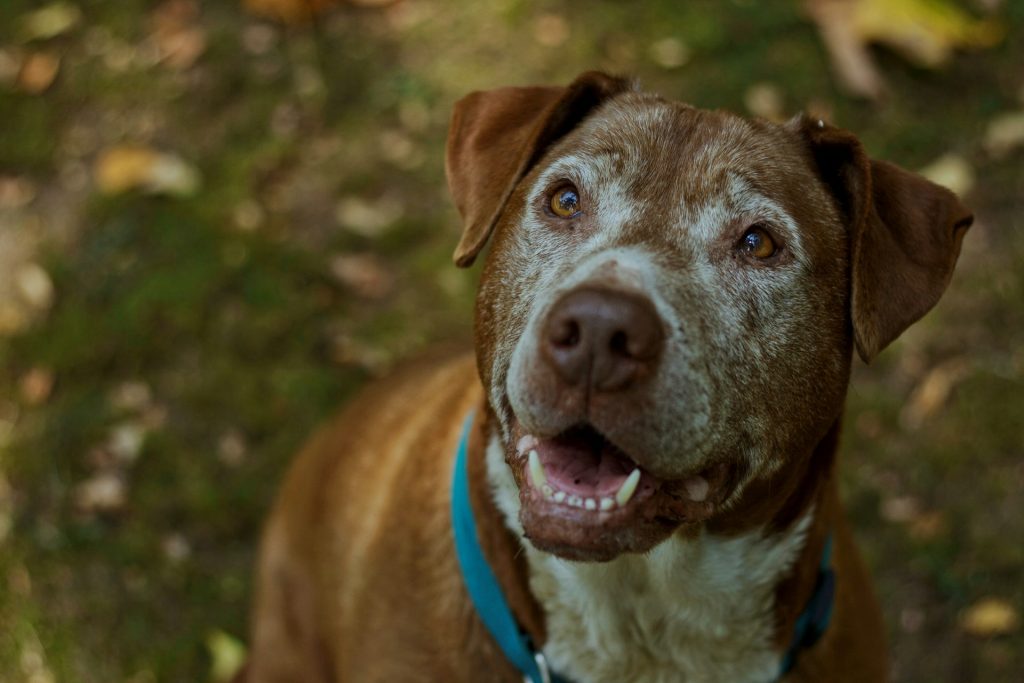
One of the most common questions we hear from pet owners is, “Is my dog too old for a dental cleaning?” It’s an understandable concern. As our dogs age, we naturally become more cautious about procedures requiring anesthesia. Fortunately, the answer is reassuring: Age alone is almost never the reason to avoid a dental cleaning. Instead, veterinarians evaluate your pet’s overall health, not simply the number of birthdays they’ve celebrated. In fact, many senior dogs benefit tremendously from professional dental care because dental disease becomes more common and often more painful as pets age.
Why Dental Health Matters More as Dogs Get Older
By the time dogs reach their senior years, many have accumulated years of plaque, tartar, and periodontal disease. Left untreated, dental disease can lead to:
- Chronic oral pain
- Loose or infected teeth
- Tooth root abscesses
- Difficulty eating
- Bad breath
- Loss of jawbone
- Oral infections
Many owners assume these changes are simply part of aging. In reality, they are signs of dental disease, and most are treatable. A senior dog dental cleaning is often one of the best ways to improve an older dog’s comfort and quality of life.
Is Anesthesia Safe for Older Dogs?
One of the biggest misconceptions is that anesthesia becomes unsafe simply because a pet is older. The truth is that healthy senior pets generally tolerate anesthesia very well when appropriate precautions are taken.
Rather than focusing on age, your veterinarian evaluates factors such as:
- Heart health
- Kidney function
- Liver function
- Blood cell counts
- Hydration status
- Current medications
- Other medical conditions
This individualized assessment helps determine whether anesthesia can be performed safely and whether any modifications to the anesthetic plan are needed.
What Happens Before a Senior Dog Dental Cleaning?
Before recommending anesthesia, your veterinary team performs a thorough evaluation. This typically includes:
- Complete Physical Examination:
- A comprehensive examination helps identify heart murmurs, respiratory concerns, arthritis, or other health issues that may influence anesthetic planning.
- Pre-Anesthetic Blood Work
- Blood tests provide valuable information about organ function and help detect conditions that may not yet be causing obvious symptoms.
- Additional Testing (When Needed). Depending on your dog’s health, your veterinarian may recommend:
- Chest radiographs
- Electrocardiogram (ECG)
- Blood pressure measurement
- Urinalysis
- Cardiac consultation
These tests allow the anesthetic protocol to be tailored specifically to your dog’s needs.
Modern Anesthesia Is Highly Individualized
Today’s anesthetic protocols are far different from those used decades ago. Veterinary specialists carefully select medications based on each patient’s age, health status, and procedure. Throughout anesthesia, trained veterinary professionals continuously monitor:
- Heart rate and rhythm
- Blood pressure
- Oxygen levels
- Carbon dioxide levels
- Body temperature
- Respiratory rate
This level of monitoring helps maximize safety from induction through recovery.
The Risks of Not Treating Dental Disease
While anesthesia understandably receives a great deal of attention, it’s equally important to consider the risks of leaving painful dental disease untreated. Untreated dental disease can significantly reduce your dog’s quality of life. Many dogs continue eating despite severe oral pain, making it easy to underestimate how uncomfortable they really are. After treatment, owners frequently report that their senior dogs seem happier, more energetic, and more willing to eat and play. Often, they realize only afterward how much chronic discomfort their pet had been hiding.
Schedule Your Pet’s Teeth Cleaning with a Board-Certified Veterinary Dentist in Phoenix
When considering a senior dog dental cleaning, remember that age is not the deciding factor, overall health is. Every pet deserves an individualized assessment to determine the safest and most appropriate treatment plan. With proper pre-anesthetic evaluation, tailored anesthetic protocols, and diligent monitoring, many senior dogs safely undergo dental procedures that dramatically improve their comfort and quality of life.
If your older dog has bad breath, difficulty chewing, loose teeth, or visible tartar, don’t assume they’re “too old” for treatment. Schedule an evaluation with your veterinarian or a board-certified veterinary dentist and oral surgeon to discuss whether a dental procedure is appropriate. Helping your dog live longer is important, but helping them live comfortably is just as meaningful.
References
● American Veterinary Dental College (AVDC). Dental Care Guidelines and Pet Owner
Resources. https://avdc.org
● American Animal Hospital Association (AAHA). 2024 AAHA Anesthesia and Monitoring
Guidelines for Dogs and Cats.
● American College of Veterinary Anesthesia and Analgesia (ACVAA). Anesthesia Safety
Resources. https://acvaa.org
● Niemiec BA. Veterinary Periodontology. Wiley-Blackwell; 2013.
Images used under creative commons license – commercial use (7/10/2026). Photo by Ariel Bussani on Unsplash
