

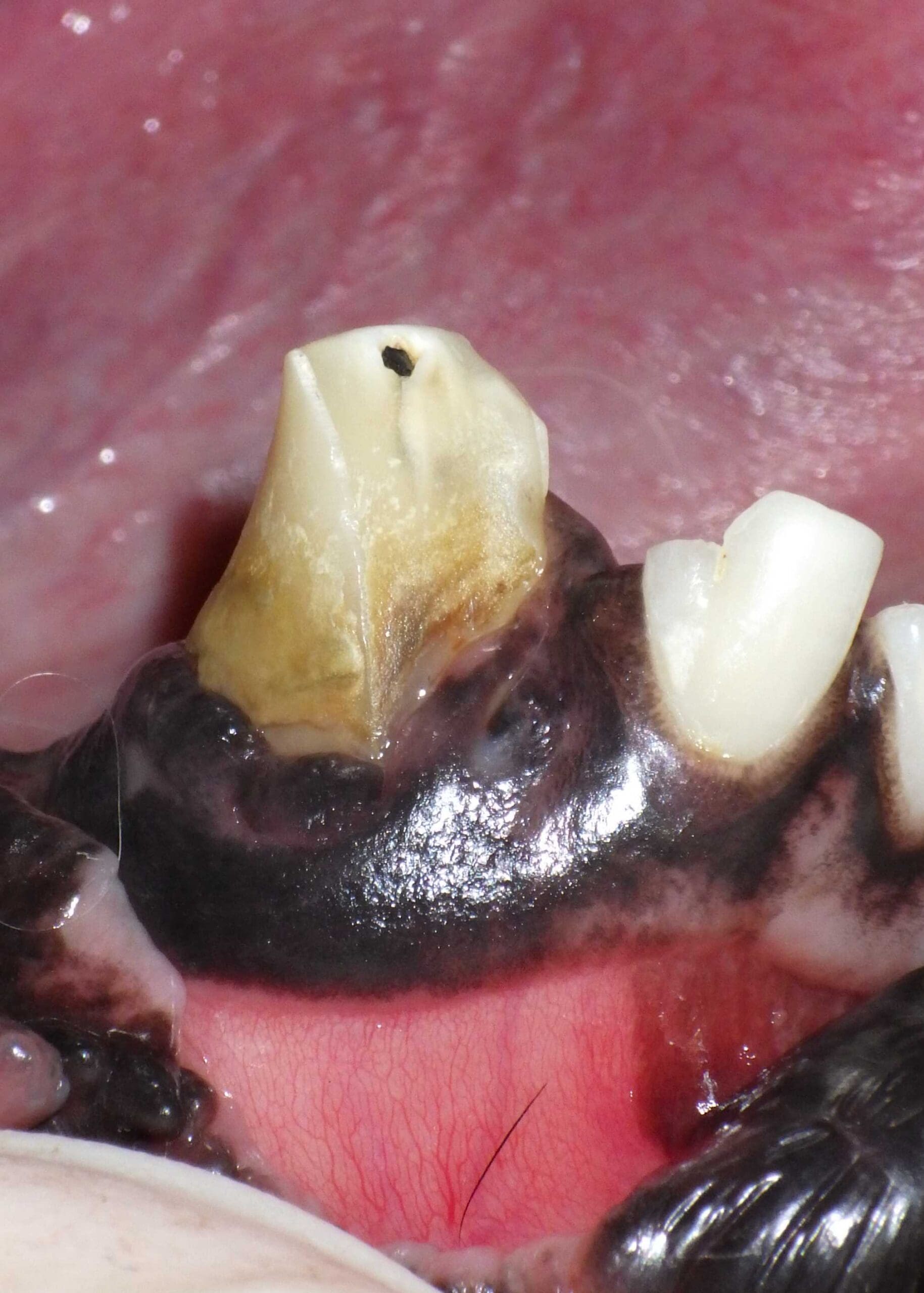
How Advanced Veterinary Dentistry Treats Broken Teeth in Pets
If your dog or cat chips, cracks, or fractures a tooth, it’s more than a cosmetic issue—it’s a painful medical problem that impacts eating, behavior, and overall health. The good news is that advanced veterinary dentistry offers modern, pet-friendly treatments that relieve pain, restore function, and protect long-term oral health.
Diagnosis: The First Step in Treating Fractured Teeth
Before treatment begins, a thorough diagnosis is critical to determine the severity of the injury.
-
Oral exam under anesthesia – Ensures comfort and allows a complete assessment of all teeth and tissues.
-
Dental radiographs (X-rays) – Evaluate the root, bone, and hidden disease.
-
Cone-beam CT (CBCT) – Provides 3D imaging for complex cases.
-
Pulp evaluation – Determines whether the tooth’s nerve and blood supply are exposed or inflamed.
Advanced Veterinary Dentistry Treatment Options for Broken Teeth
The right treatment depends on the type of fracture and whether the pulp is exposed.
Enamel–Dentin Fractures (No Pulp Exposure)
-
Sealants or bonding reduce sensitivity and protect against bacteria.
-
Shaping and polishing smooth sharp edges.
-
Follow-up imaging ensures the pulp remains healthy.
Complicated Crown Fractures (With Pulp Exposure)
-
Vital pulp therapy (partial pulpotomy): Ideal for recent fractures, preserves vitality.
-
Root canal therapy: The gold standard for older fractures, removing infected pulp and restoring strength.
Severe Root or Gumline Fractures
-
Surgical extraction: Removes painful, unsalvageable teeth.
-
Restorative/prosthodontic options: Root canaled teeth may be fitted with a protective crown.
Comfort and Pain Control in Advanced Veterinary Dentistry
Modern veterinary dental care prioritizes safety and comfort.
-
Customized anesthesia plans for each pet.
-
Local nerve blocks for pain relief.
-
Multimodal pain management using anti-inflammatories and analgesics.
-
Antibiotics prescribed only when truly necessary.
Recovery and Aftercare
Most pets recover quickly and can eat the same day. Aftercare typically includes:
-
Soft food for a short period.
-
Avoiding hard chew toys—choose rubbery or flexible ones instead.
-
Recheck visits with dental imaging.
-
A home dental care plan with brushing or VOHC-approved products.
When to Seek Veterinary Dental Care Immediately
Contact your veterinarian or a board-certified veterinary dentist if you notice:
-
Chipped teeth with pink or brown spots (possible pulp exposure).
-
Oral pain, drooling, pawing at the mouth, or refusal to eat.
-
Facial swelling or foul breath—possible infection.
Preventing Broken Teeth in Pets
-
Provide only safe chew toys that “dent with a thumbnail.”
-
Avoid rocks, bones, and hard nylon toys.
-
Schedule annual dental exams with X-rays for early detection.
Bottom Line
Broken teeth are common in dogs and cats—but treatable. With advanced veterinary dentistry, pets benefit from modern diagnostics, root canals, extractions, and pain management that restore comfort and preserve oral health.
For more information about our services, visit Carefree Dentistry & Oral Surgery for Animals.
For additional guidance on pet dental health, check out the American Veterinary Dental College for expert resources.